

When deciding between a vehicle wrap and a respray, focus on how you plan to use your vehicle in the coming years, not just its final appearance.
Both options change your car’s appearance, but they behave very differently once it’s back on the road. A wrap gives you flexibility, while a respray gives you permanence. The right option depends on your vehicle’s condition, your budget, and whether you need the option to change it later.
This guide breaks down both options in practical terms so you can make a decision based on how they actually perform over time.
What is a vehicle wrap?
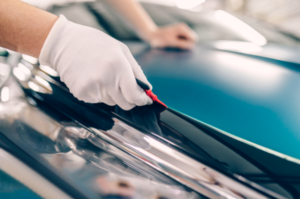
A vehicle wrap is a layer of engineered vinyl applied over your vehicle’s existing paintwork to change its appearance without altering the original paint job. The material is designed to conform to complex shapes and surfaces, covering everything from flat panels to curved edges and recessed areas.
Unlike paint, which permanently bonds to the vehicle, a wrap sits atop the surface and can be removed or replaced. This makes wraps practical for personal or commercial vehicles, especially when flexibility, branding, or short to medium-term use matters.
A high-quality wrap involves more than just applying vinyl to the surface. Proper installation requires:
- Preparing the vehicle so the vinyl bonds correctly
- Wrapping into panel edges rather than cutting on visible surfaces
- Managing tension in the material to prevent lifting
- Finishing around trims, handles and joins cleanly.
Wraps can be applied as full-vehicle wraps, partial wraps, or detailed graphics. They also allow finishes that are difficult or expensive to achieve with paint, including matte, satin and textured effects.
One key advantage is that the wrap can be removed later without damaging the original paint, provided the paint was in good condition before installation.
What is a car respray?
A car respray is a process that permanently changes a vehicle’s colour by applying new layers of paint. It is typically used when restoring a vehicle, repairing damage or achieving a long-term colour change that will not need to be reversed.
Unlike a wrap, which is applied over the surface, a respray becomes part of the vehicle itself. This means the result depends heavily on the condition of the existing paintwork and the level of preparation carried out before any paint is applied.
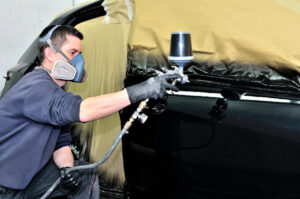
The process is labour-intensive and depends heavily on preparation. A proper respray includes:
- Sanding the existing surface
- Repairing imperfections such as scratches or dents
- Applying primer to stabilise the surface
- Spraying multiple layers of paint
- Finishing with a protective clear coat
- Allowing sufficient time for the paint to dry
- Buffing the car after
The final result depends on the quality of preparation and the environment in which the work is carried out. Dust, poor surface preparation or rushed application can all affect the finish.
A respray, once applied, is permanent. Changing it requires repeating the full process.
What Are The Key Differences of Wrapping a Vehicle vs Painting a Vehicle?
When comparing a wrap and a respray, look beyond final appearance to consider real-world performance over time. Each method differs in application, wear, and repairability.
Factors such as cost, installation time, durability and flexibility all play a role in determining which option is more suitable for your vehicle.
Cost
The difference in cost between a vehicle wrap and a respray is not just about the final price, but what goes into achieving that result. A wrap is priced based on material quality, design complexity, and installation time, whereas a respray includes significant labour before any paint is applied. Preparation, sanding and correcting the vehicle surface all add to the final price.
This means that while both options can vary depending on the vehicle, wraps generally offer a more predictable, controlled cost, especially when you are looking for a full colour change or a custom design.
A wrap skips much of the preparation required for painting, making it a more cost-effective way to change colour or add custom designs.
As a general guide:
- Partial wraps are usually the most cost-effective option.
- Full wraps cost more but are still cheaper than most full resprays.
- High-quality resprays often cost more due to the preparation and labour involved.
Time
Vehicle wrapping is more streamlined since it does not require paint-like drying. Once the vehicle is prepared, vinyl can be finished more quickly. A respray requires multiple unrewarded stages, with possible delays from additional preparation or corrections.
A full vehicle wrap can usually be completed in 1-3 days (depending on the vehicle’s size), and the vehicle is ready to use almost immediately.
A respray takes longer due to preparation, painting, and drying. Vehicles can be off the road for 3 days to 2 weeks, which is a problem for daily or business use.
Durability
Durability should be considered based on how the vehicle is actually used rather than ideal conditions. Daily driving exposes vehicles to road debris, weather changes and regular cleaning, all of which affect the surface over time.
A vehicle wrap acts as a barrier between the original paint and the exterior. A vehicle wrap forms a barrier over the original paint, absorbing minor damage. A respray, though durable, exposes the paint, so any damage affects the visible finish and may need more complex repairs. lasts between 5 and 7 years. During that time, it protects against light scratches, chips and general wear.
A respray can last longer, but it leaves the paint exposed. Chips and scratches affect the paint directly; depending on their severity, they may require repainting the affected area.
Flexibility
With a wrap, you can:
- Change the colour or design.
- Update branding for your business
- Remove the wrap when selling the vehicle.
- Replace sections if damaged.
Appearance
The final appearance of both a wrap and a respray depends heavily on the quality of the work, but the way that final look is achieved is very different.
A wrap sits on the surface, so there are practical limits to how it behaves at edges, in deep recesses, and around complex curves. A skilled installer can reduce visible joins and edges by wrapping into panel gaps and removing trims where possible, but on close inspection, some areas may still show how the material was applied.
A respray, when completed to a high standard, produces a continuous finish across the entire vehicle with no seams or joins. This is why it is often preferred for restoration work or where a factory-level finish is required.
Where wraps stand out is in the range of finishes available. Matte, satin, textured and colour-shift options are achievable without the cost and complexity of custom paintwork. For most users, the difference comes down to whether they prioritise visual flexibility or a permanent, more professional-looking finish.
What can go wrong with a vehicle wrap or respray?
Instead, they develop over time as the vehicle is exposed to weather, cleaning and general use.
A vehicle wrap can fail if:
- The paint underneath is damaged or unstable.
- The surface is not properly prepared.
- Edges are cut instead of wrapped.
- Low-quality vinyl is used.
A respray can fail if:
- Preparation is rushed
- Panels are not properly corrected before painting.
- The environment is not controlled.
Which option is more cost-effective?
Cost-effectiveness is not just about the initial price. It also includes how long the result lasts, how easy it is to repair and whether you will need to invest again in the future. A lower upfront cost does not always mean better value if the result needs to be replaced or repaired sooner. When comparing a wrap and a respray, it’s important to consider how each option fits into the vehicle’s overall lifecycle.
A wrap provides value through flexibility. If your needs change, the wrap can be removed or replaced without having to start over.
A respray commits you to a permanent finish. If damage occurs or your preferences change, the cost of correction can be significantly higher.
Which lasts longer in practice?
Longevity is often one of the first questions people ask, but it needs to be considered in context. The lifespan of both a wrap and a respray depends on how the vehicle is used, where it is stored and how it is maintained.
A wrap typically lasts between 5 and 7 years while protecting the original paint underneath. When it reaches the end of its lifespan, it can be removed and replaced, often revealing paint that is still in strong condition.
A respray can last longer, but it does not provide that protective layer. Damage affects the visible surface immediately, and repairs often require repainting and blending across panels.
Which is better for businesses?
For businesses, the decision is not just about appearance. It is about whether the vehicle contributes to visibility, branding and overall marketing. A company vehicle is often seen by potential customers before any other form of advertising, which makes its appearance and messaging important.
A vehicle wrap is not just the better option; it is the only option that actively generates return.
A respray changes a vehicle’s colour but does not improve visibility or attract customers.
A vehicle wrap allows you to:
- Display branding clearly
- Promote your services
- Create a consistent fleet image.
- Generate ongoing exposure without recurring costs.
For businesses using vehicle wrapping in their local area, this creates continuous local visibility while the vehicle is on the road or parked.
We regularly see businesses choose wraps over resprays because they want that flexibility and long-term return on investment.
Which option is right for your situation?
Choosing between a vehicle wrap and a respray becomes much clearer when you look at how the vehicle is actually used day to day, rather than comparing features in isolation.
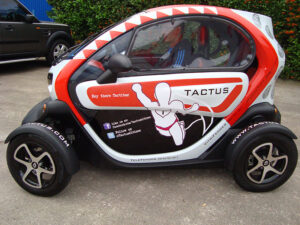
If the vehicle is part of a business, particularly a van or fleet vehicle, a wrap is the more practical option. It allows you to apply branding that can be updated or replaced as your business evolves, without taking vehicles off the road for extended periods. In these cases, flexibility and turnaround time matter more than permanence.
For privately owned vehicles in good condition, wraps are often chosen to protect the original paint while changing the appearance. This is especially relevant for newer cars, where maintaining the factory finish can directly affect resale value. A wrap lets you change the look now without affecting the vehicle’s long-term condition.
Where the existing paintwork is already damaged, peeling or poorly repaired, a wrap is not a suitable solution on its own. The vinyl will only adhere to the surface beneath it, so underlying issues will affect the final product. In these situations, paint correction or a full respray is usually required before any visual changes are made.
For vehicles being restored or where a permanent colour change is the priority, a respray is the more appropriate route. This is typically the case with older vehicles, classics or projects where the goal is to return the car to a consistent, long-term condition rather than create a temporary or adaptable finish.
Final verdict: vehicle wrap or respray?
Making the right choice comes down to understanding how each option performs beyond the initial finish.
For most modern vehicles in good condition, a wrap is the more practical option. It allows you to change the vehicle’s appearance, protect the original paint, and retain the flexibility to update or remove the finish in the future.
A respray is the better choice when the vehicle requires restoration or when the existing paintwork cannot support a wrap. In these cases, addressing the vehicle’s condition takes priority over flexibility.
If your goal is to improve your vehicle’s appearance, promote your business, or maintain its condition over time, a wrap will usually deliver better overall value.
Get Your Vehicle Wrapped by Our Specialists in Warrington
If you have decided that a vehicle wrap is the right option, the next step is choosing a team that delivers high quality vehicle wrapping services.
At Warrington Signs, we install full vehicle wraps, partial wraps and commercial graphics using the very best wrap materials and our team has over 30 years of experience in the industry.
Contact our team today to get a quote and start your vehicle wrapping project.